The increase in digital communication has brought with it a significant rise in cybersecurity threats, one of the most notorious being phishing attacks. According to Google, phishing is the primary method used by attackers to compromise accounts, even those protected by strong passwords. This blog discusses various phishing methods and how individuals and organizations can effectively avoid falling prey to these malicious tactics.
Table of Contents
Introduction to Phishing
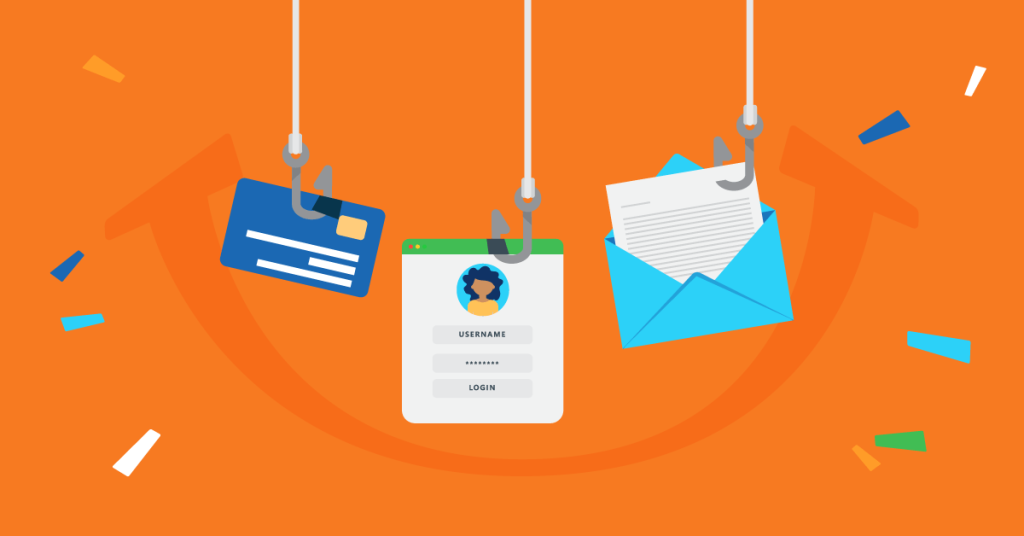
Phishing is a cyberattack that uses disguised email as a weapon. The goal is to trick the email recipient into believing that the message is something they want or need — a request from their bank, for instance, or a note from someone in their company — and to click a link or download an attachment.
Common Phishing Tactics
Email Phishing
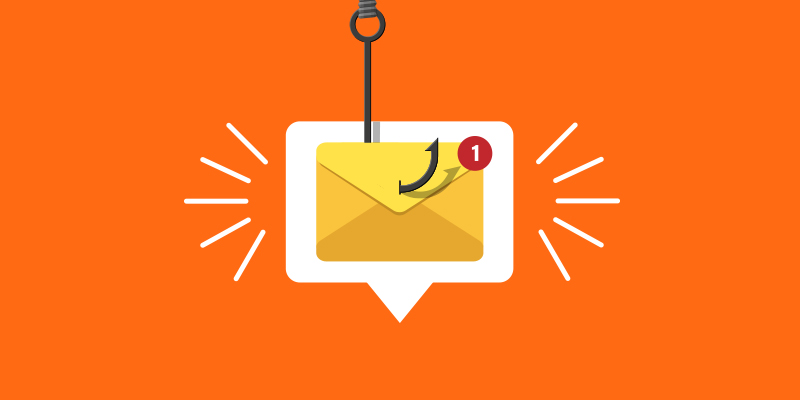
The most common type of phishing scam, email phishing involves emails that appear to be from legitimate institutions asking you to provide sensitive information. These emails often emulate the format of emails from recognizable companies but will contain a link to a fake website that collects entered data.
Example Preventive Tool:
- DMARC: Helps ensure emails are authentic and not spoofed, adding an important layer of security.
- Barracuda Email Security Gateway: Actively filters phishing and other malicious emails.
Malware and Pop-Ups
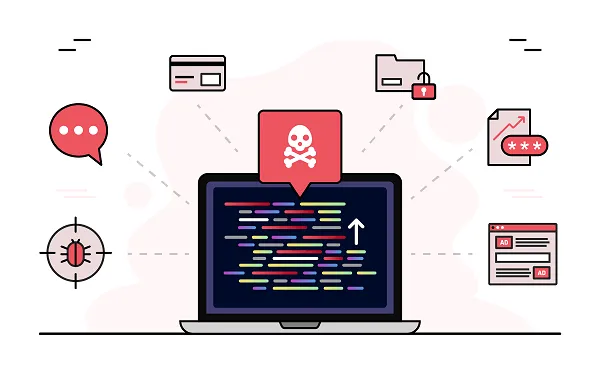
Another tactic involves the use of seemingly harmless pop-ups or software that mimic legitimate requests for updating or confirming login information. These pop-ups can capture usernames and passwords, providing phishers with easy access to your personal accounts.
Example Preventive Tool:
- Malwarebytes: Specializes in removing malware and blocking risky pop-ups.
- AdBlock: This browser extension prevents many harmful pop-ups from appearing.
Wi-Fi Eavesdropping
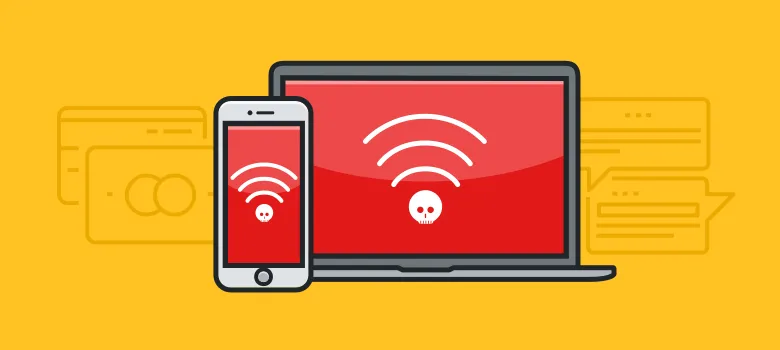
Attackers often set up unsecured Wi-Fi networks in public locations. Unsuspecting users might connect to these networks, allowing hackers to sniff out unencrypted data transmitted over the network, capturing everything from passwords to financial information.
Example Preventive Tool:
- VPN services like NordVPN and ExpressVPN: Provide strong encryption, securing your data on public networks.
- Wireshark: A tool for monitoring and investigating network traffic, helping to uncover any security breaches.
Social Engineering
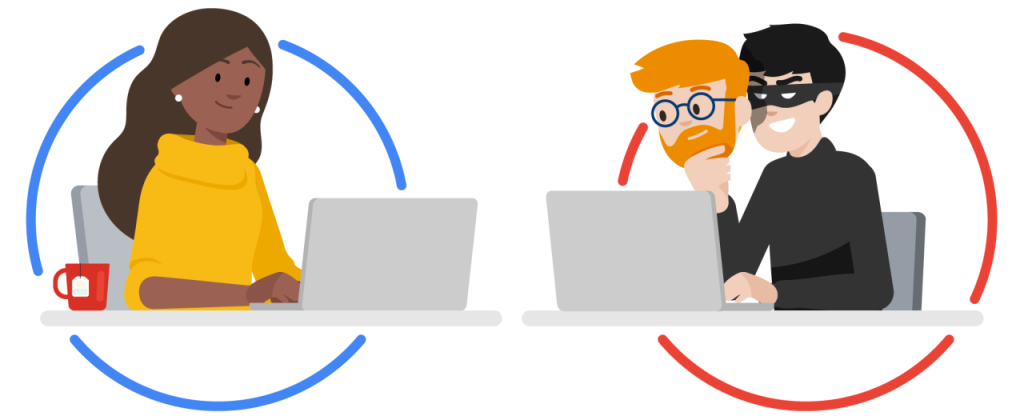
This method involves a direct interaction where the attacker poses as a trusted figure to elicit confidential information. Examples include fraudulent calls from tech support claiming there’s an issue with your computer that requires remote access to resolve.
Example Preventive Tool:
- KnowBe4 Security Awareness Training: Educates employees on spotting and resisting social engineering techniques.
- Truecaller: Helps identify and block potentially fraudulent calls.
Identifying Phishing Attempts
Spotting phishing can be challenging as it often involves sophisticated disguises, especially on smartphones. Here, subtle cues in the sender’s email address or the hyperlink provided could be indicators of phishing attempts.
Protective Measures Against Phishing
- Monitor your accounts regularly for any unauthorized activity.
- Use comprehensive security software, which includes antivirus programs, anti-phishing toolbars, and firewalls. Keep all your software up to date to protect against vulnerabilities.
- Educate yourself and your employees on the tactics used by phishers. Training and awareness can play a significant role in preventing phishing attacks.
- Implement Multi-Factor Authentication (MFA) to add an additional layer of security, making it harder for attackers to gain unauthorized access even if they have one set of credentials.
Conclusion
As phishing techniques become more sophisticated, it’s crucial for everyone to be vigilant and proactive in their approach to digital security. By understanding the common tactics used by attackers and implementing protective measures, including the use of recommended tools, we can significantly reduce the risk of phishing attacks.
By educating internet users about the dangers of phishing and the importance of secure browsing habits, we can collectively enhance our digital safety and protect sensitive personal information from falling into the wrong hands.